18 September 2026 · The Biome Buddy team
The cancer headline that should change how you shop
Every few months a study lands that’s scary enough to make a headline and vague enough to be useless by dinner time. The 2026 dose–response meta-analysis linking ultra-processed food (UPF) intake to digestive-system cancers could easily be one of those. It shouldn’t be — because “dose–response” is the phrase that makes it worth your attention.
Why “dose–response” matters
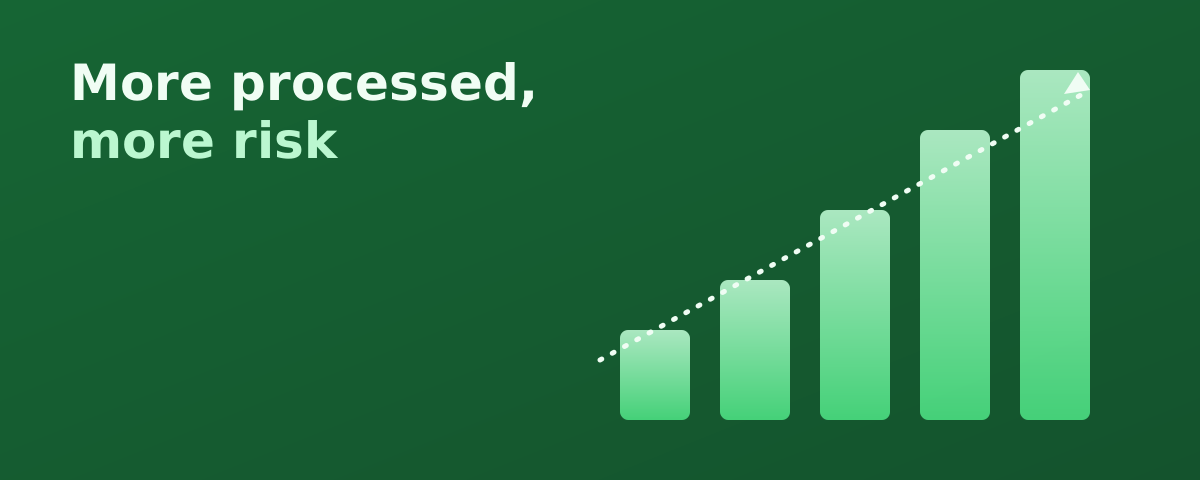
A single study showing “people who eat X get more of Y” is weak: maybe the X-eaters also smoke, or move less, or are poorer. A dose–response relationship is different — the risk rises as intake rises, step by step. That pattern is one of the classic fingerprints of a real effect rather than a coincidence, and it’s what this pooled analysis reports for UPFs and cancers of the digestive tract.
The proposed mechanism is one we keep coming back to: UPFs are structurally stripped-down, additive-heavy, and fibre-poor, which drives dysbiosis — a less diverse, more inflammation-prone gut community — and chronic inflammation of the gut lining is fertile ground for things going wrong over decades.
How to read it without panicking
Two things are true at once:
- This is population-level, long-horizon risk. One packet of biscuits is not a diagnosis. Nobody should read a meta-analysis and feel guilty about a birthday cake.
- The trend is the signal. If risk climbs with intake, then lowering the proportion of UPFs in your week is a lever you actually control — and it doesn’t require perfection, just direction.
Our take
The most useful response to a UPF-and-cancer headline isn’t fear, it’s substitution. Don’t try to eliminate every processed food — try to crowd it out. Every whole plant you add does double duty: it displaces something ultra-processed and feeds the microbes that keep your gut lining calm and your microbiome diverse.
That’s why we built Biome Buddy around plant diversity, not restriction. A “don’t eat that” app makes you feel watched. A “how many different plants did you manage this week?” app makes you feel like you’re winning — and the winning move happens to be the same one the research keeps pointing at. Aim for more colours, more fibres, more variety. Let the ultra-processed share of your plate shrink on its own.